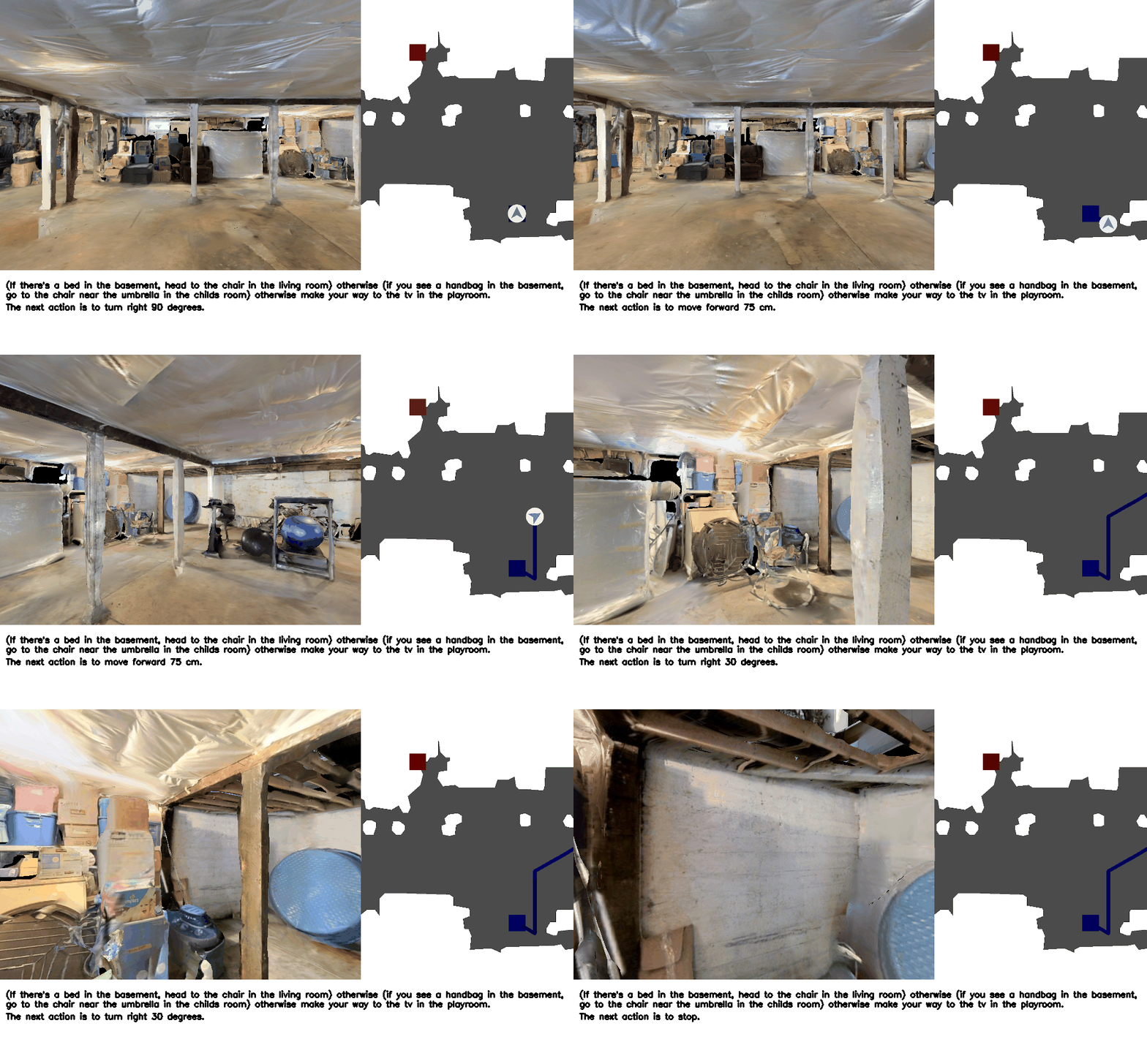
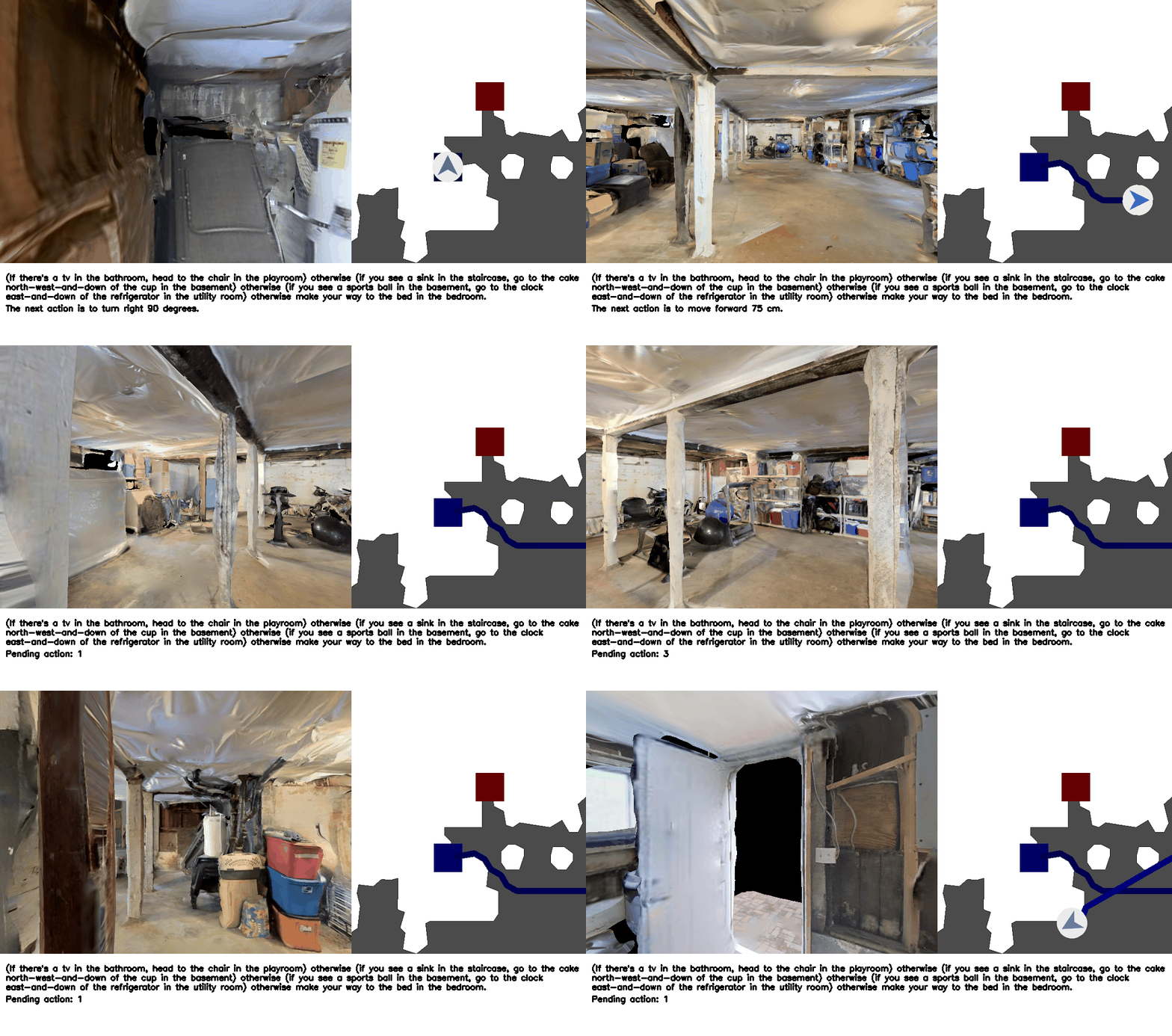
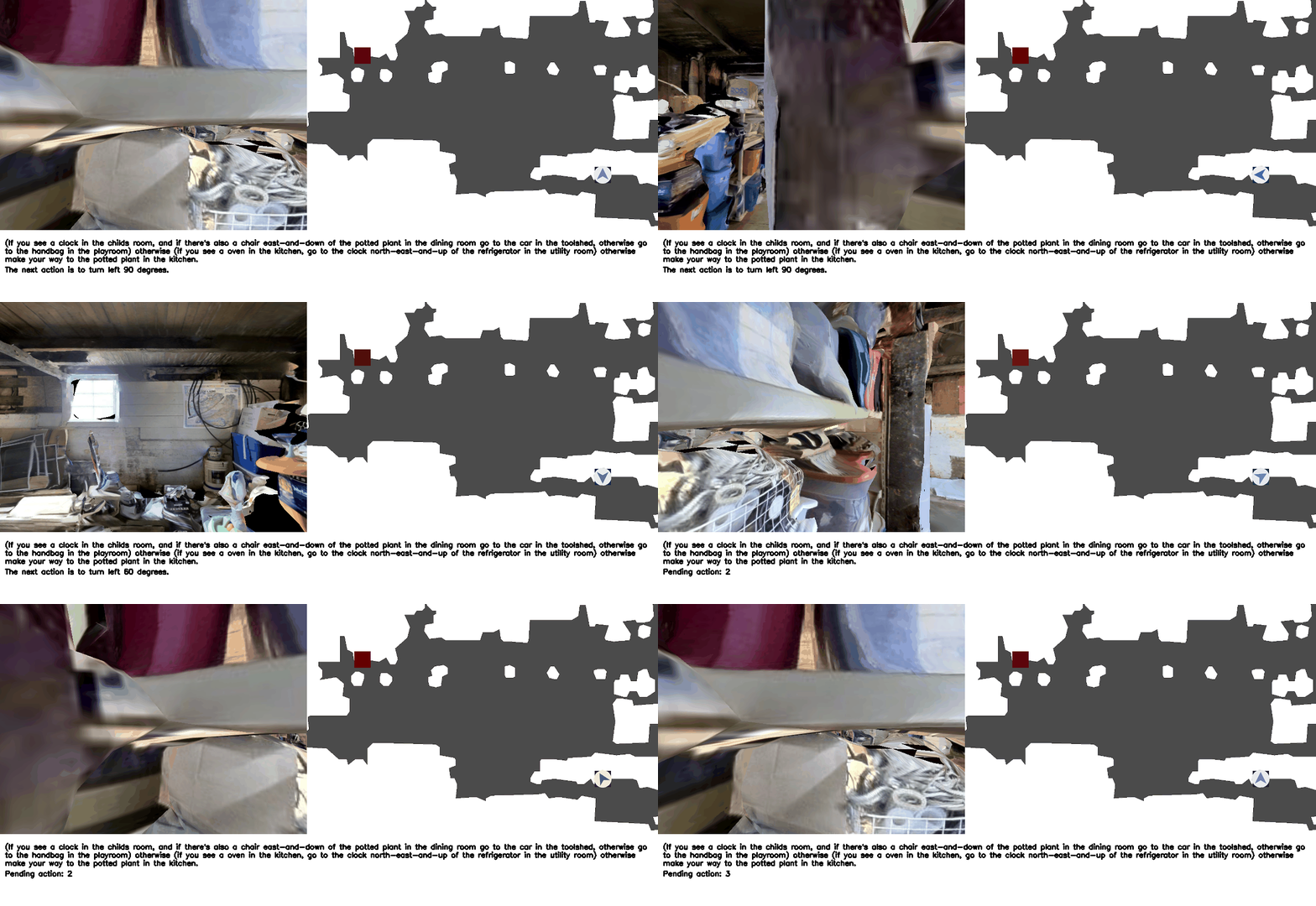
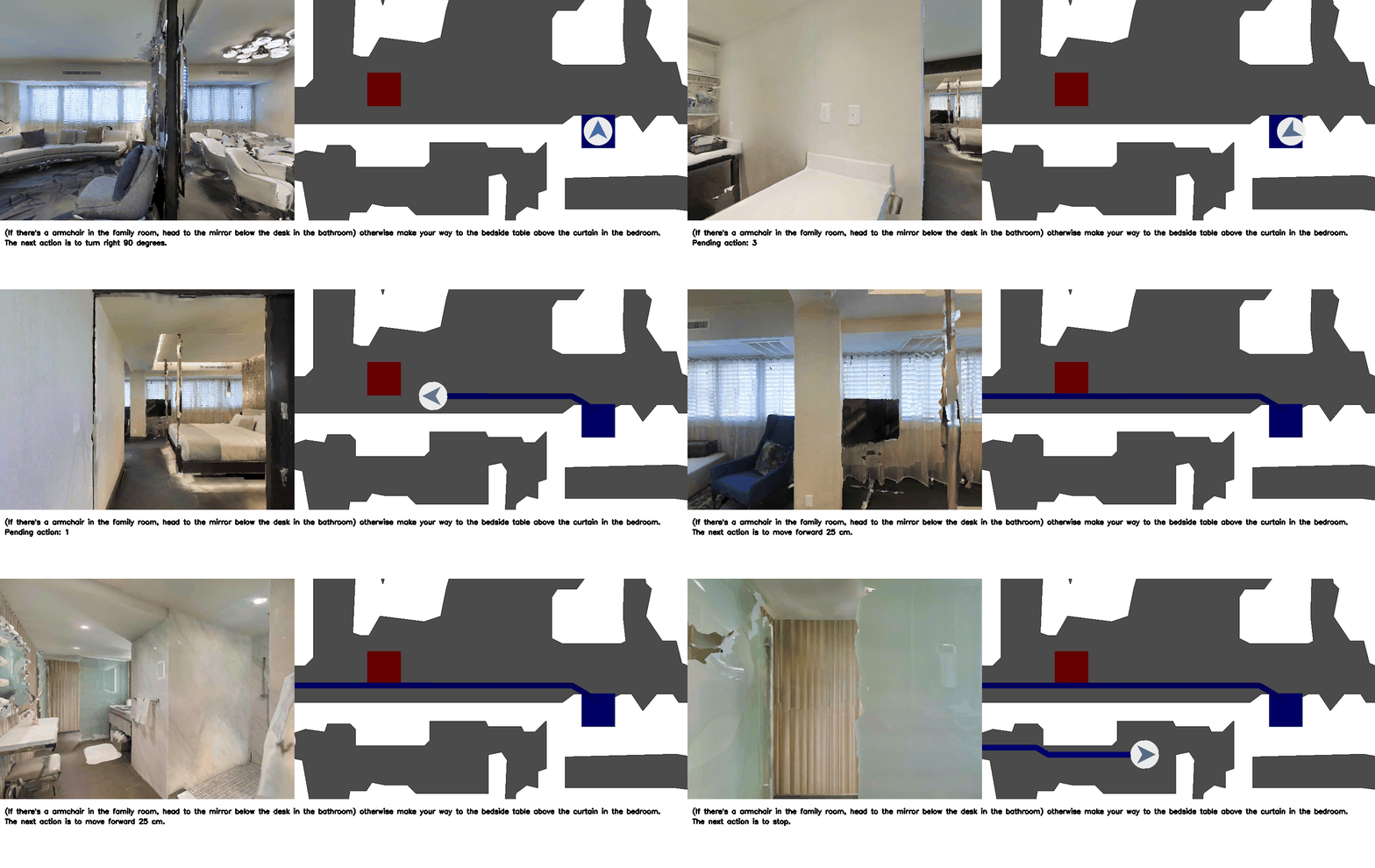
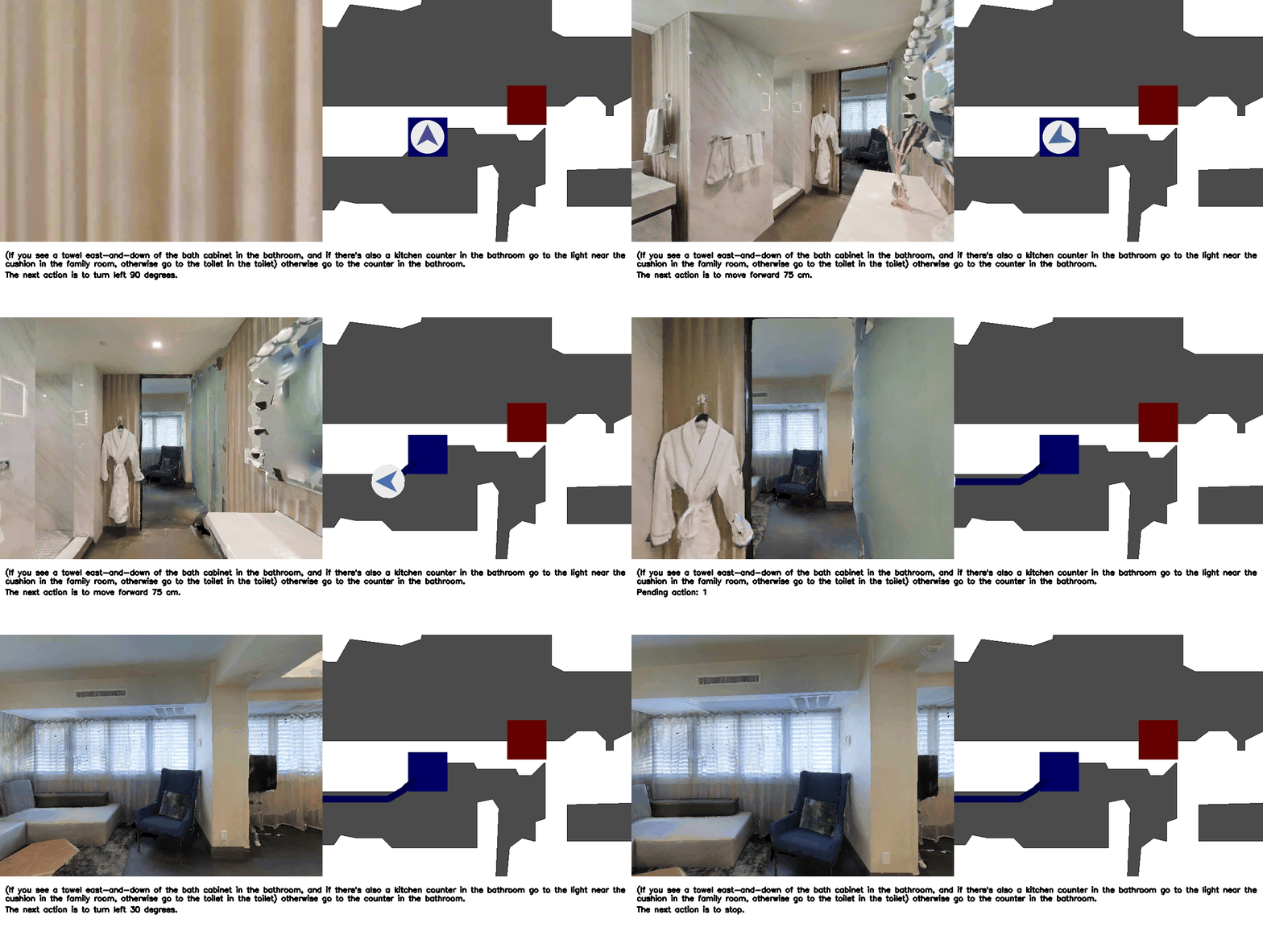
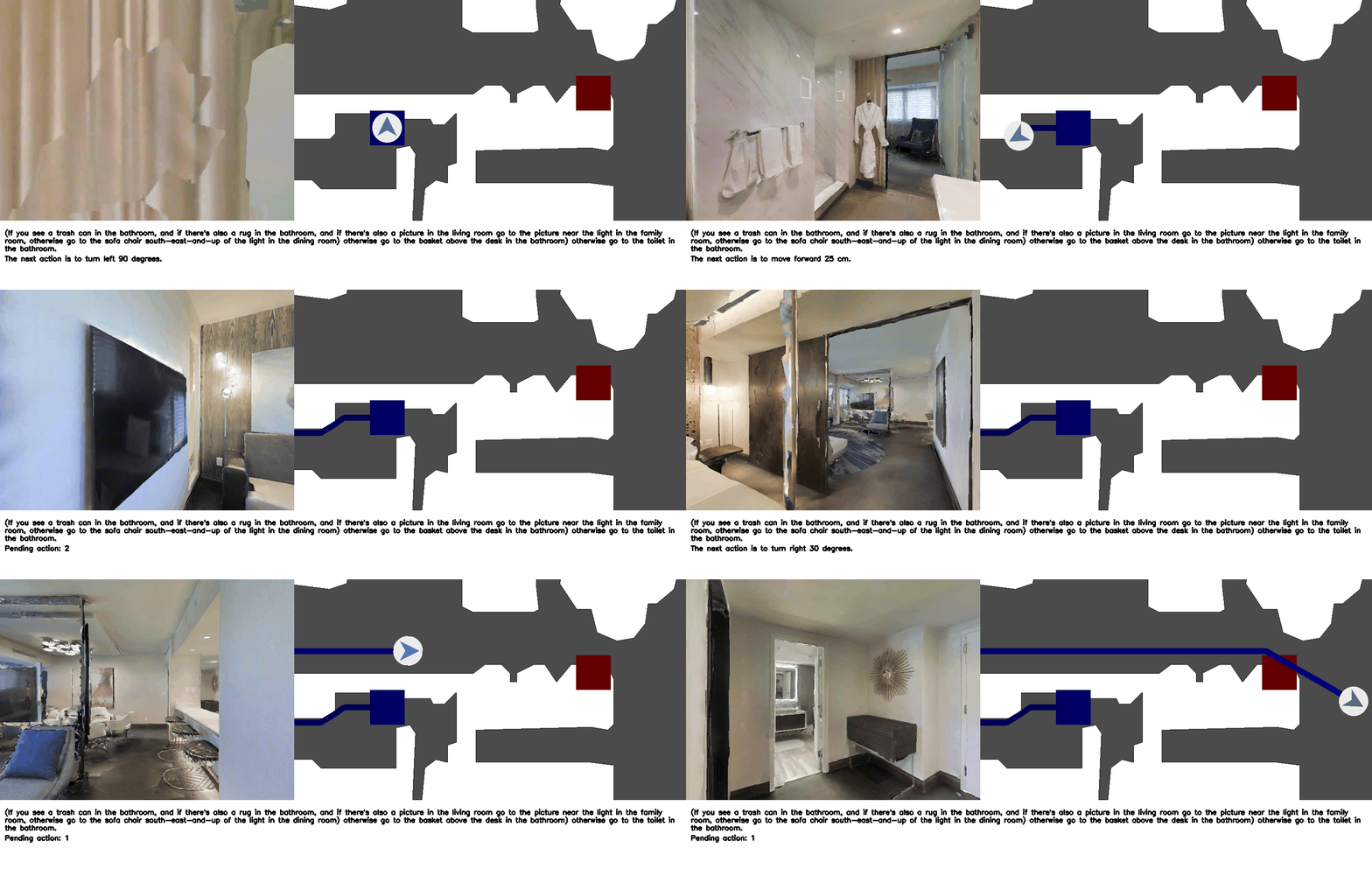
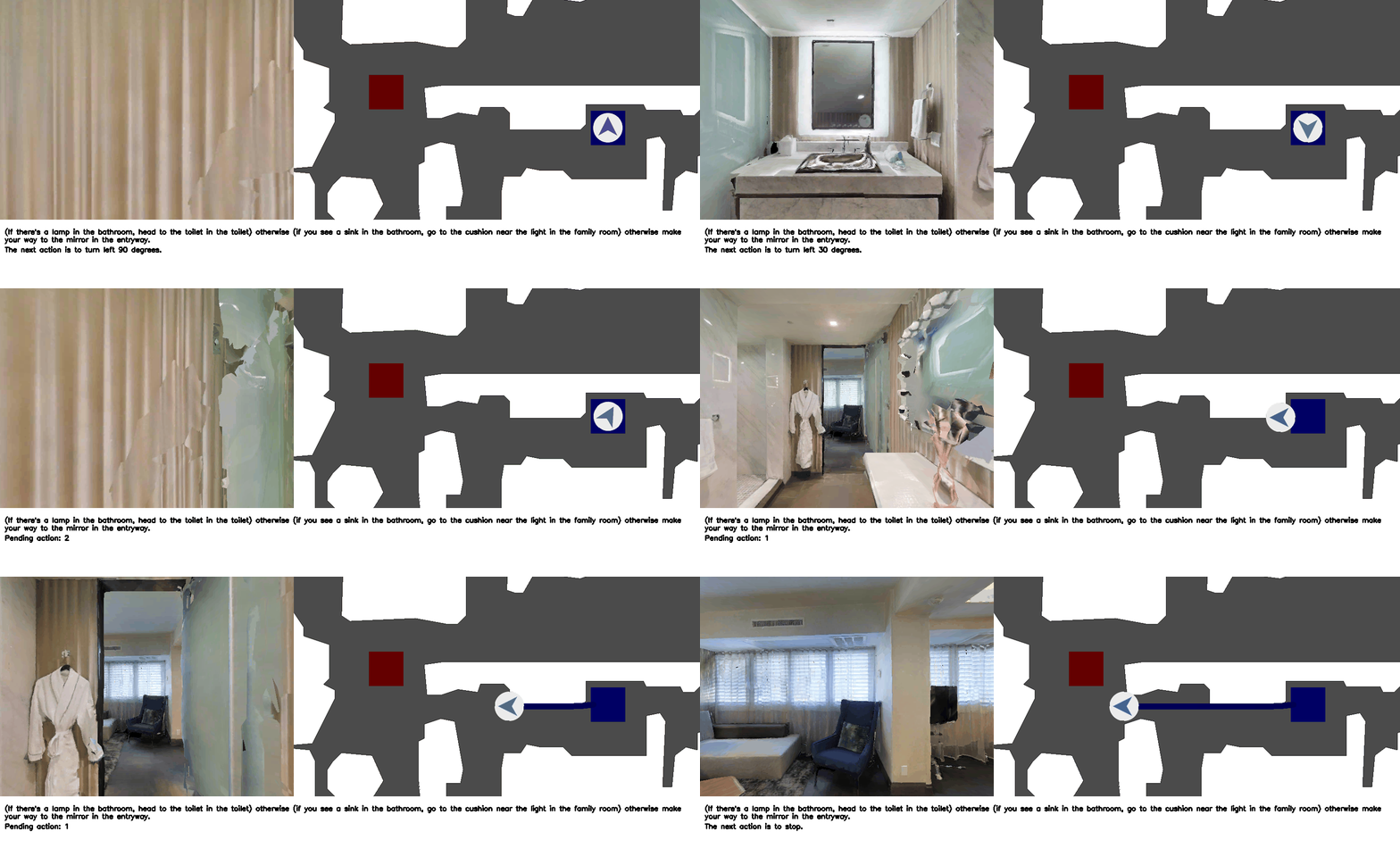
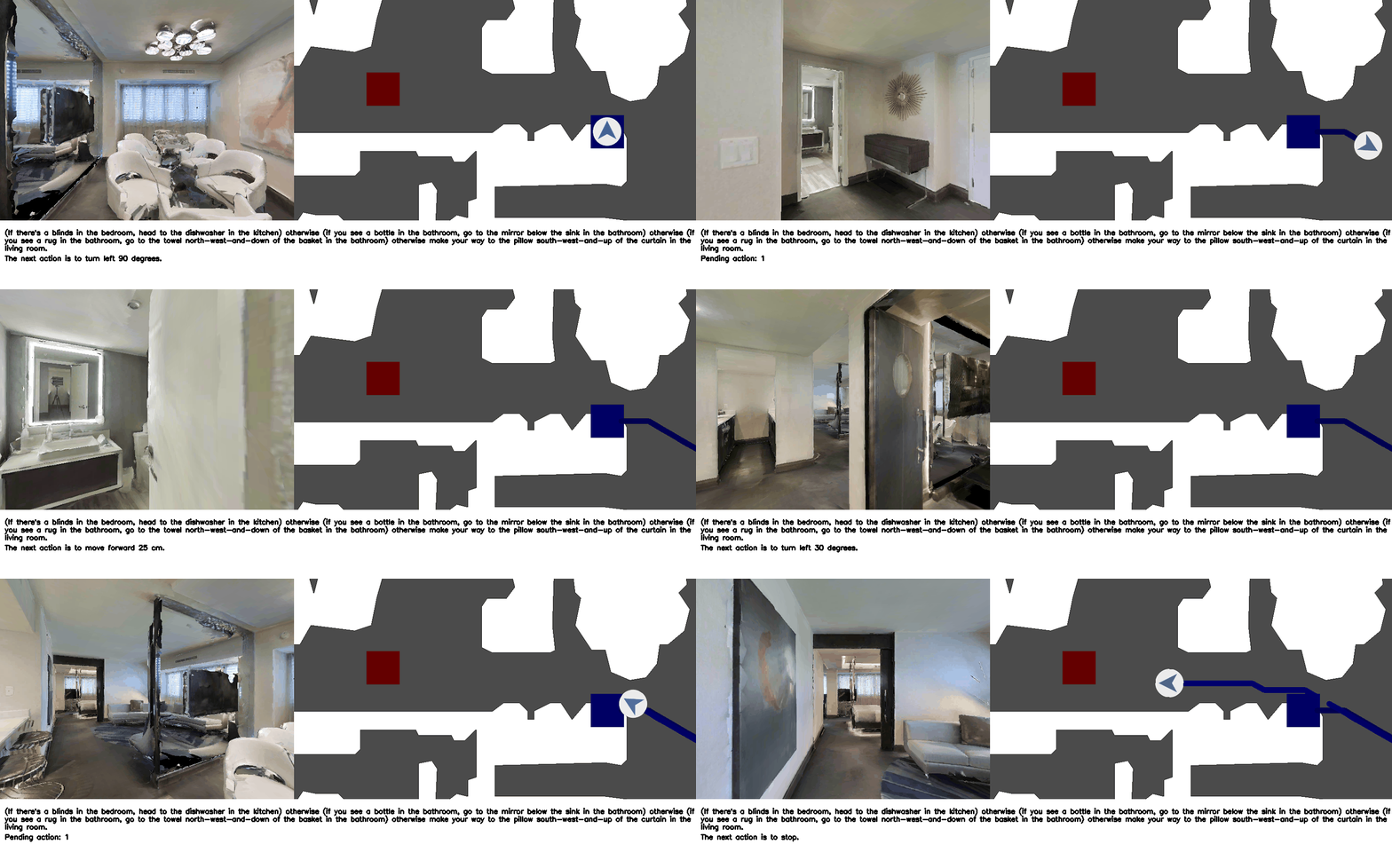
Vision-language navigation agents are typically evaluated on
their ability to follow route-like instructions toward a fixed
goal. Real navigation instructions, however, often depend on the
observed state of the environment: if a condition holds,
then follow one path, otherwise take another. Such
instructions require an agent to evaluate scene evidence, select
the correct logical branch, and execute the corresponding
navigation behavior. Existing evaluations provide limited
control over conditional branch execution, making it difficult
to determine whether agents fail because of perception,
grounding, navigation, or logical decision-making.
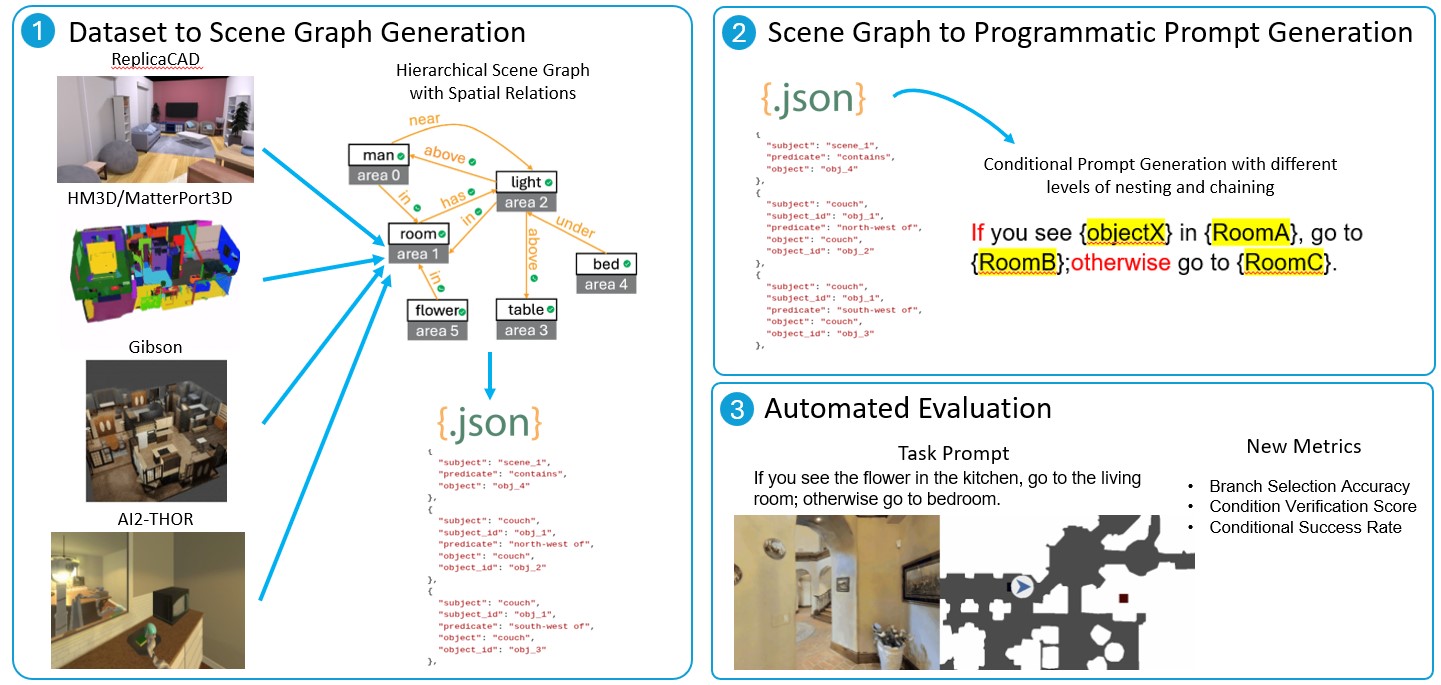
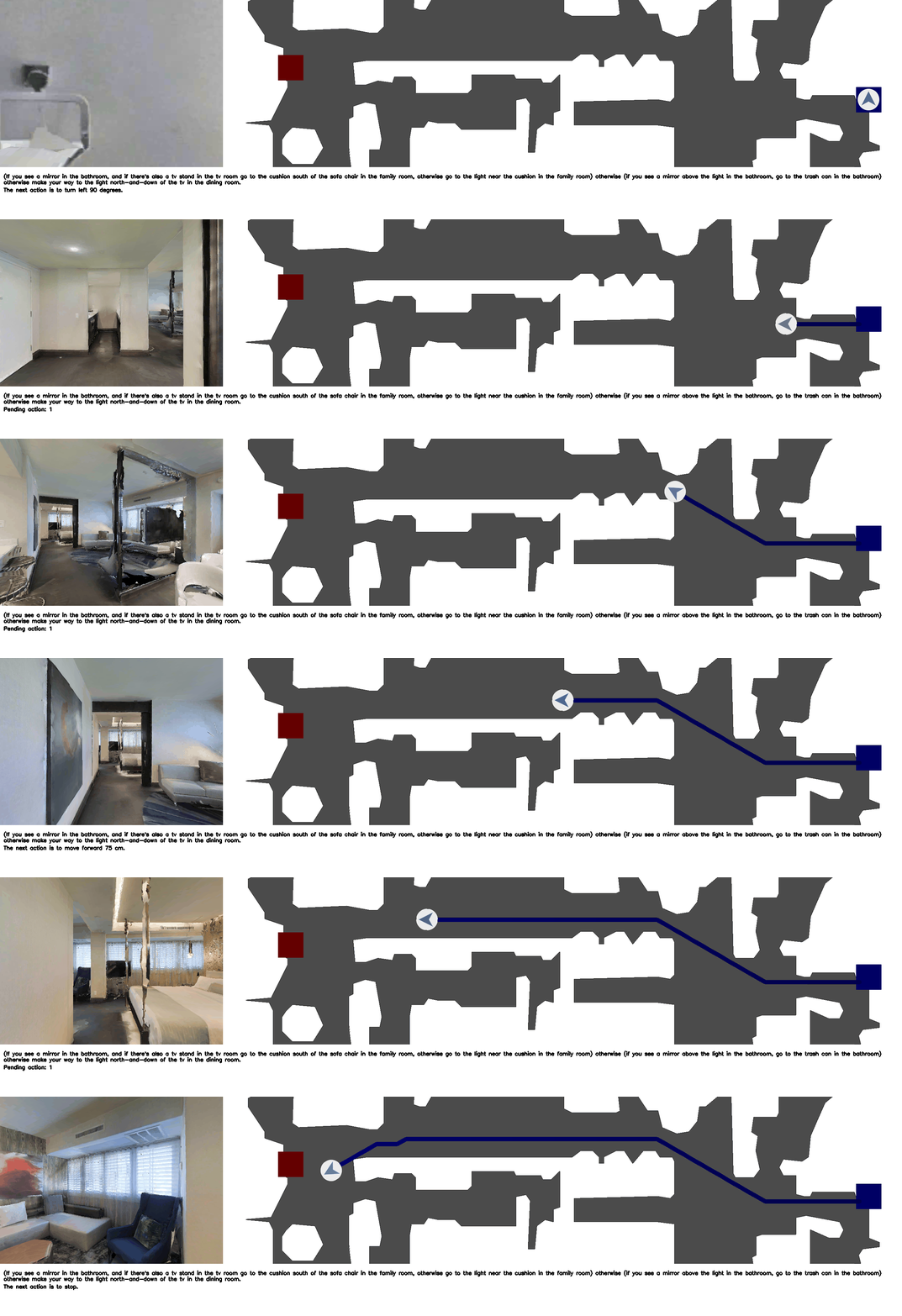
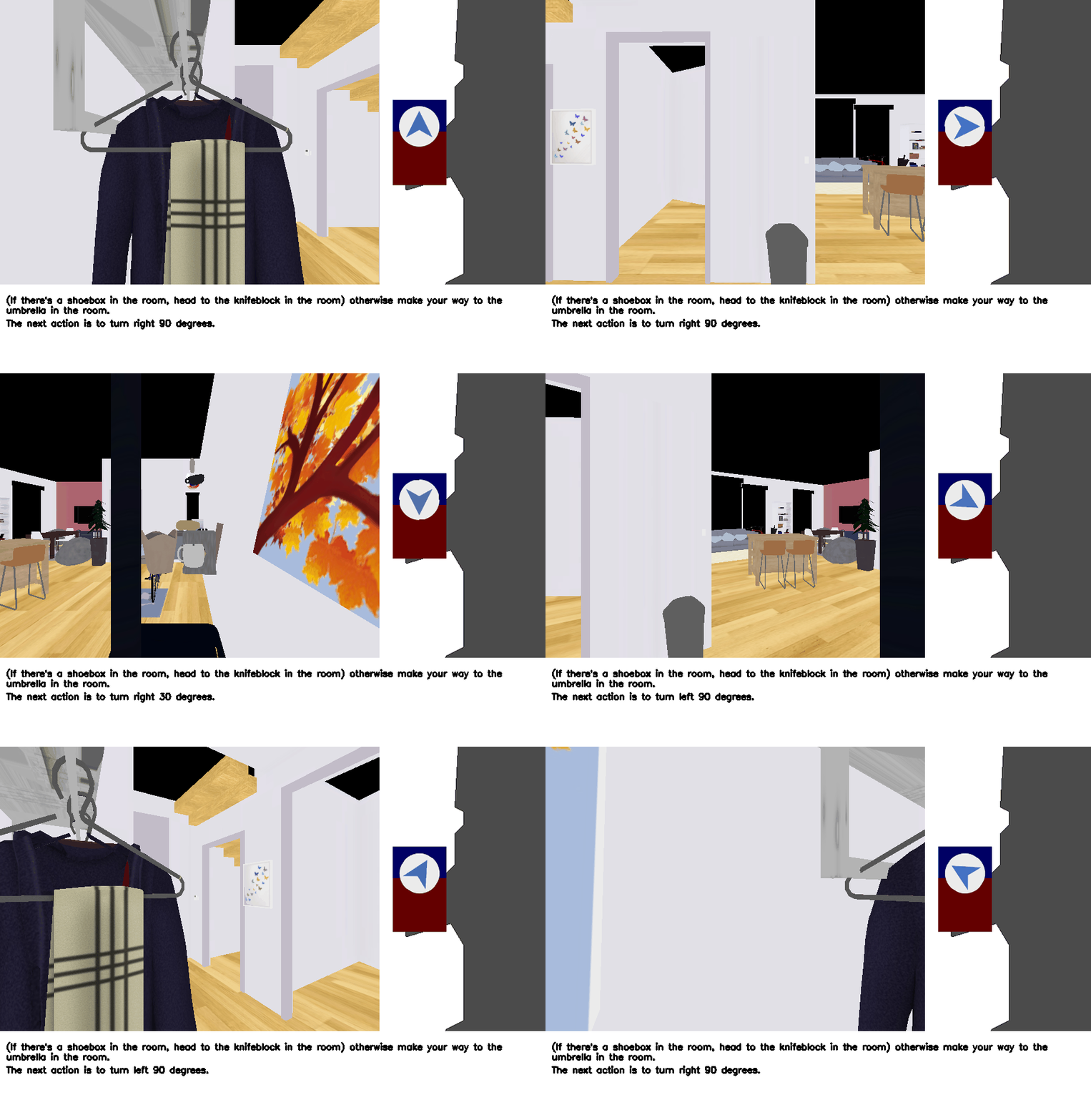
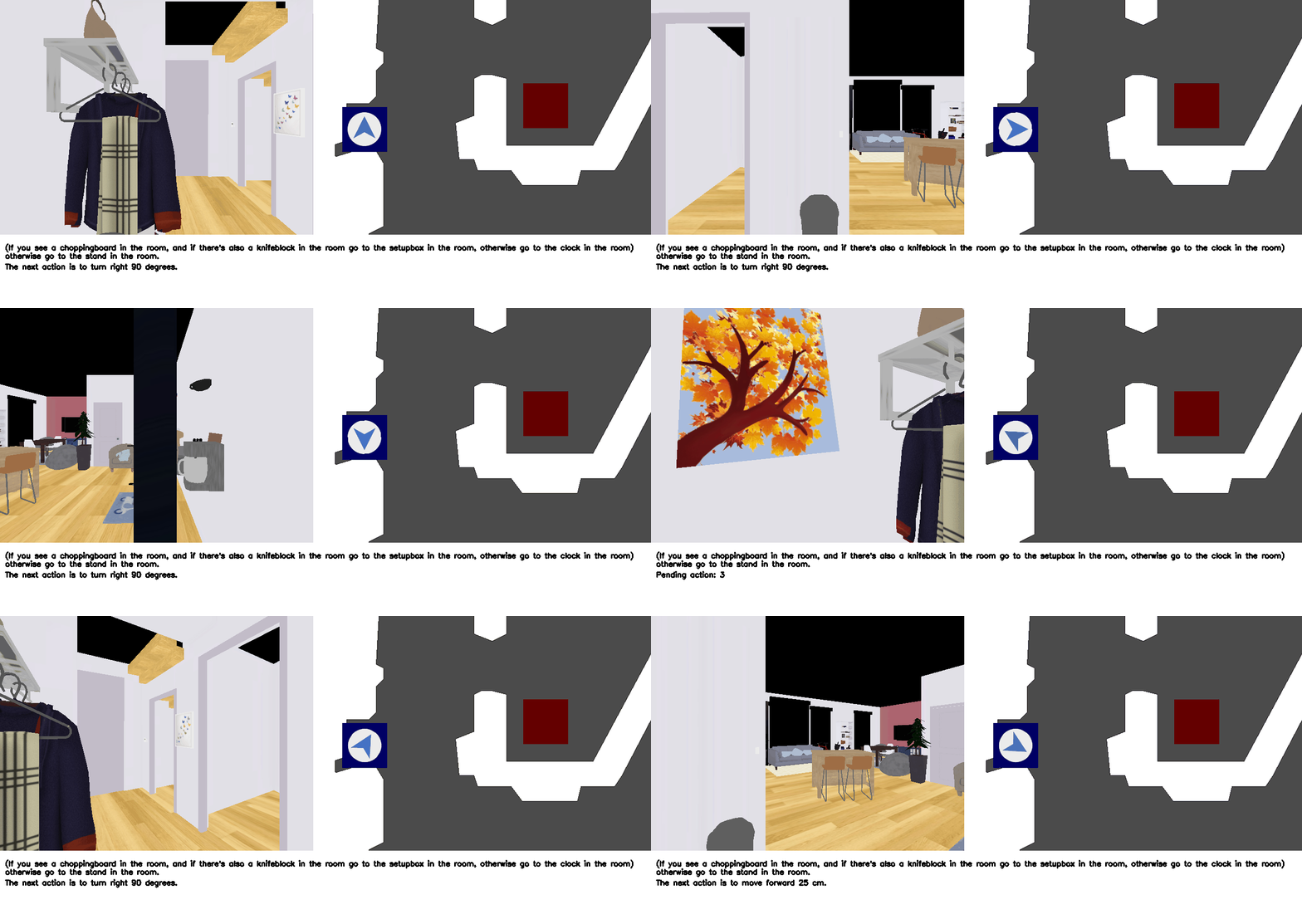
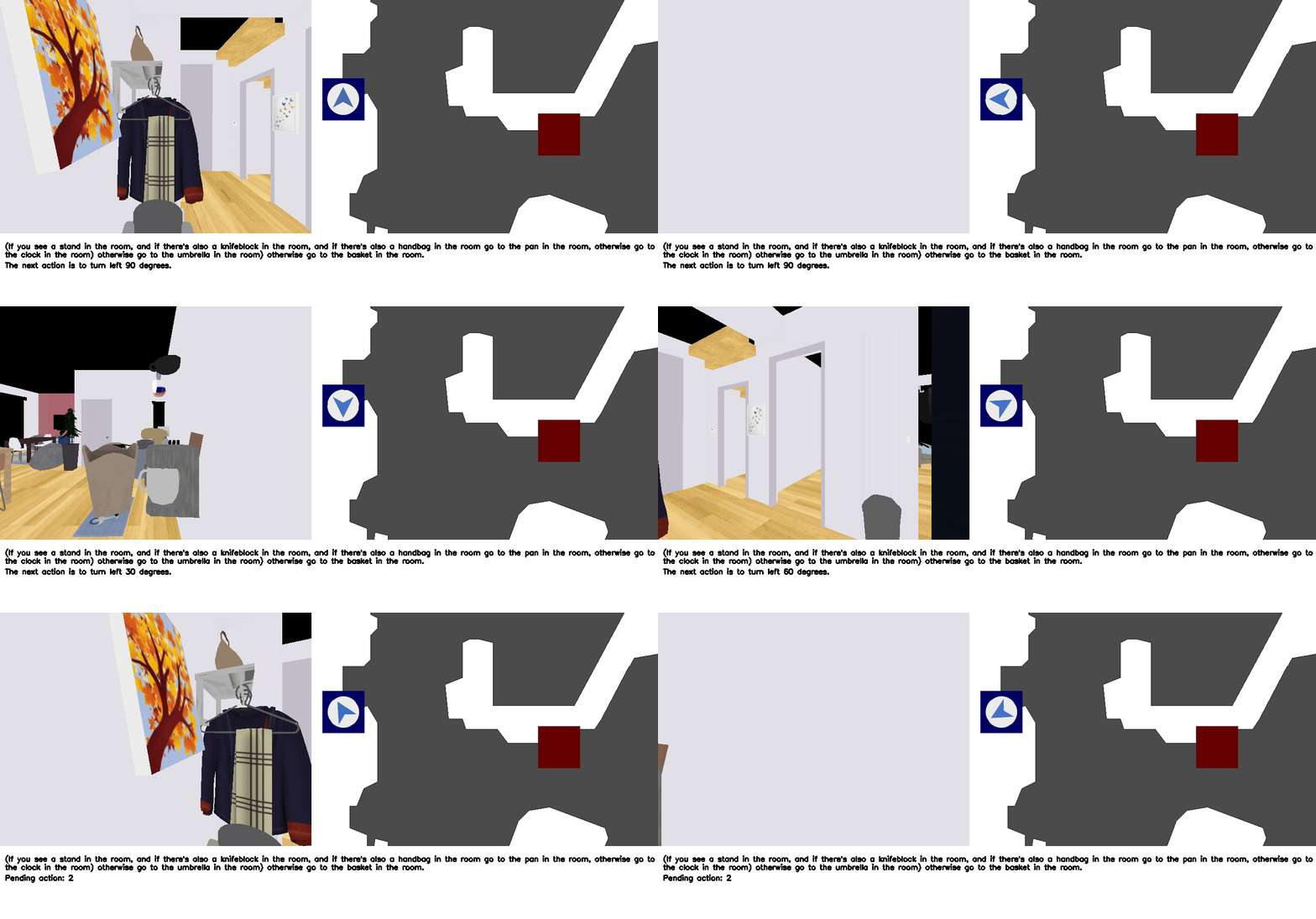
We introduce CondVLN, a scene-graph-grounded benchmark for
diagnosing conditional branching in vision-language navigation.
CondVLN programmatically generates instructions whose branch
conditions are grounded in verifiable 3D scene-graph predicates,
with controlled variation in branch depth, dependency chain
length, spatial composition, evidence observability, and
instruction horizon. The current instantiation contains over
2,000 generated conditional instructions across AI2-THOR,
Matterport3D, Gibson, and ReplicaCAD, and evaluates agents using
both standard VLN metrics and branch-specific diagnostics:
Branch Selection Accuracy and Conditional Success Rate.
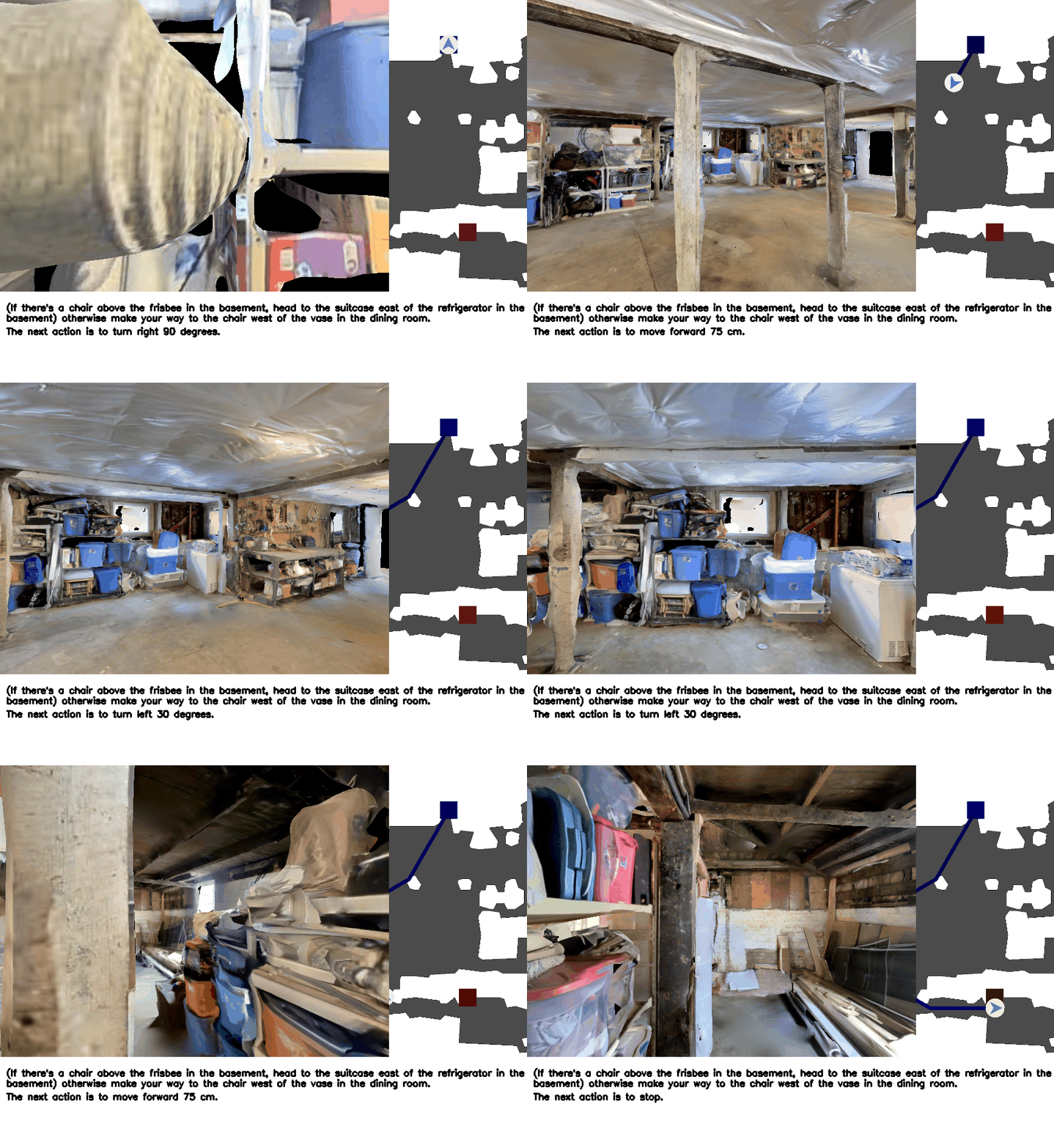
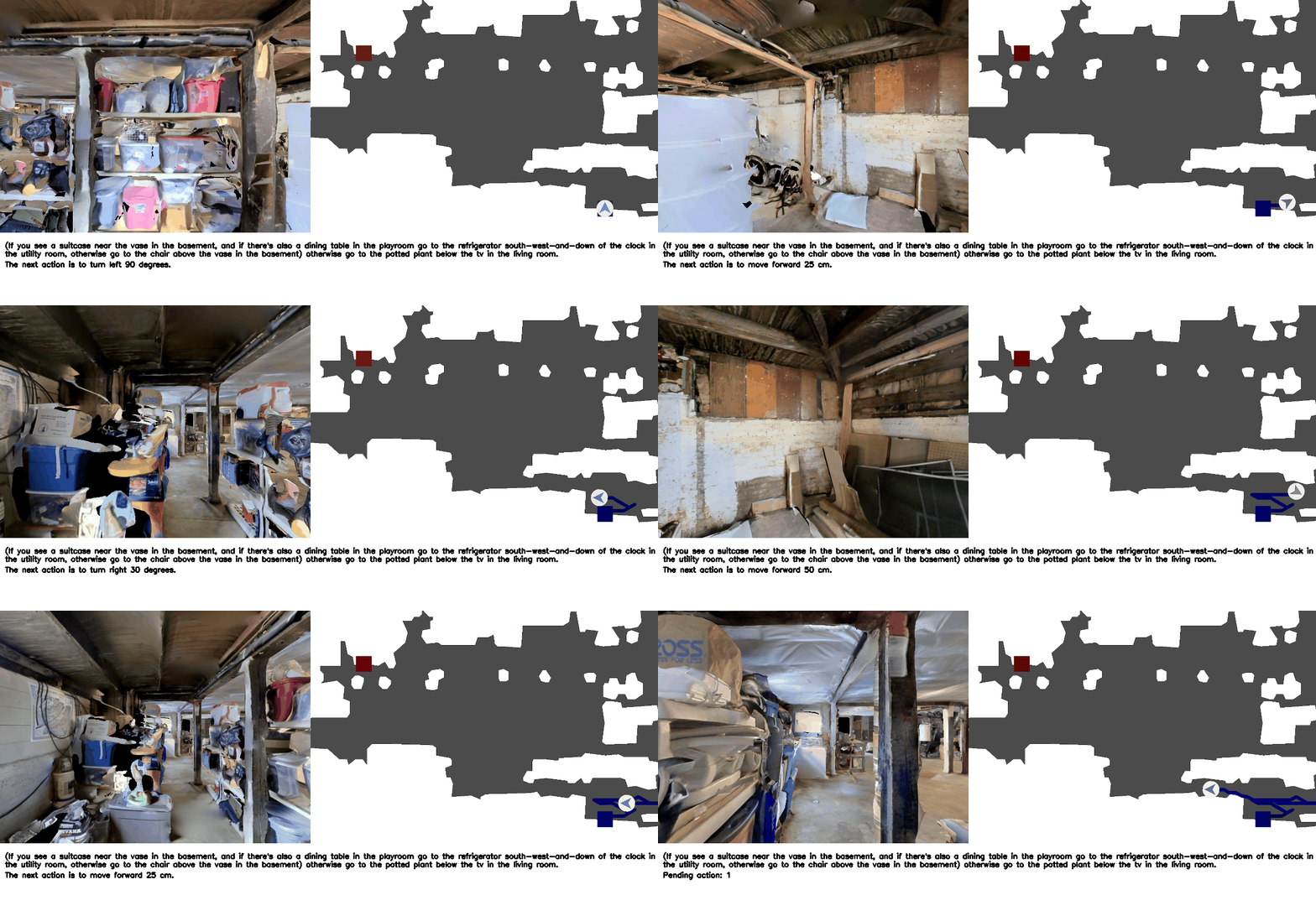
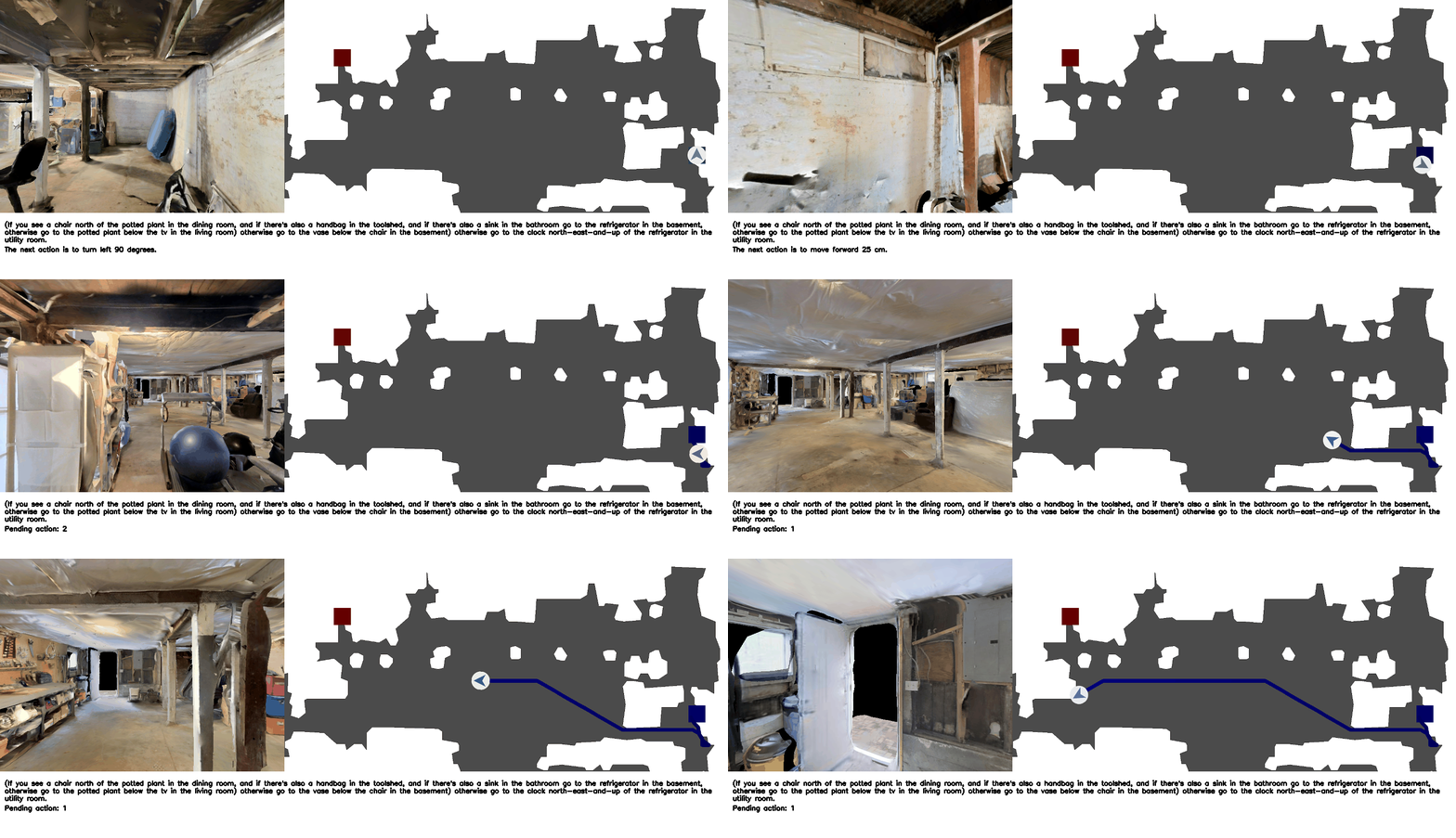
Evaluating five recent VLN agents, including VLN-Zero, NaVid,
NaVILA, and Open-Nav, shows that conditional branching exposes
failures that are not captured by standard success rate or path
length alone: agents can navigate plausibly while committing to
a branch inconsistent with the observed scene condition.
Finally, we present a lightweight neurosymbolic branch-selection
layer that separates condition grounding from navigation
execution, improving Conditional Success Rate and Branch
Selection Accuracy by 12% and 15% each under controlled
information access. CondVLN provides a reusable testbed for
measuring whether embodied agents can not only follow
instructions, but follow the right instruction under the right
condition.